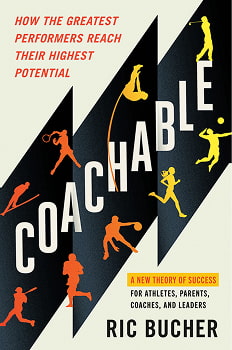
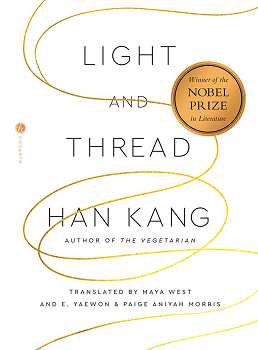
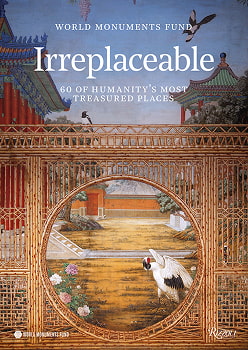
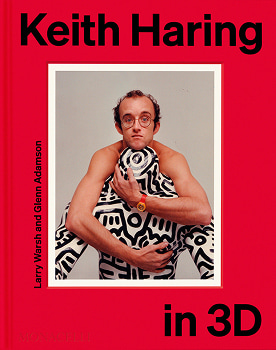
[MUSIC PLAYING]
MARICÉ BROWN: Hi. My name is Maricé Brown, and welcome to the 2026 Summer Reading List series. I'm here today by the Thames, at the beautiful River Café. Today, I'm going to have the pleasure of talking to Ruthie Rogers, chef and co-founder of The River Café. Ruthie's work has been pivotal in shaping how we think about food and about hospitality, but also about how simple ingredients done well creates a beautiful meal. Come with me and join me for a great conversation.
[MUSIC PLAYING]
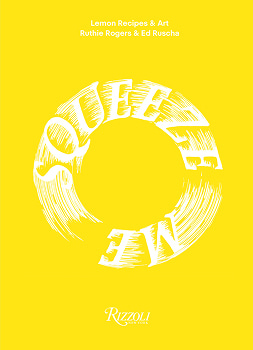
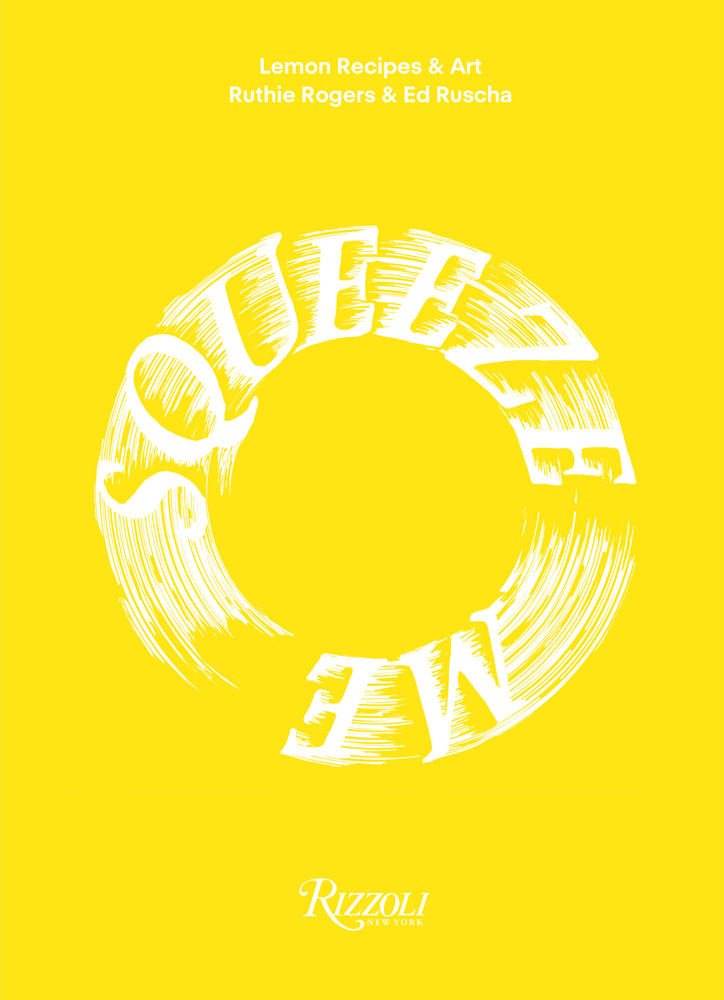
Ruthie, let's talk about Squeeze Me.
RUTHIE ROGERS: Squeeze Me.
MARICÉ BROWN: So it's a wonderful book that you did in collaboration with artist Ed Ruscha, who I understand is your friend.
RUTHIE ROGERS: Yeah, he's a good friend. And I admire him so much as an artist. And he's done a lot of-- if you saw his retrospective at the Museum of Modern Art, there were trays and trays of cabinets that had his books, whether they were on stations when they were on the road or they were of Hollywood. They were beautiful books. And so I kept saying to him, isn't it time that you and I did a book? And he said, well, I'll do it on a few conditions. One is that it's one ingredient. Two is that it's very short.
And three is that we do it in the studio in Los Angeles. So it started that way. And we couldn't decide what ingredient to use. Would it be basil? Would it be tomatoes? And then I went to visited him in the studio. And it's in an industrial area of Los Angeles. But you walk through the studio into a garden. And there were lemon trees everywhere. He put so many lemon trees. And so we decided to do the ingredient as lemon. And then we decided to call it Squeeze Me. And I'll show you. So basically, I did the recipes.
It's a real collaboration between friends because Jony Ive is a very close friend of mine. And he designed everything to do with the Apple, computers, the watch. And now he has his own design firm called LoveFrom. And so he said he would do the graphic design from his office. And Heather Ive, who's a poet, did the words that are on every photograph of Ed's. And so it was a real collaboration between three friends in different cities. I was in London. Ed was in LA. Jony was in San Francisco. And out of it came this book, which had-- the recipes are some of my favorite recipes.
MARICÉ BROWN: Which one is your favorite?
RUTHIE ROGERS: And then I love the lemon and polenta cake. That's one of the cakes.
MARICÉ BROWN: My favorite is the spaghetti, lemon, chili.
RUTHIE ROGERS: Oh, OK. Good.
MARICÉ BROWN: And parsley. I'm very excited about that.
RUTHIE ROGERS: Yeah, to put lemon in the pasta or risotto. And so it's a great ingredient to use because I chose a desert. You chose a pasta. You could choose a fish. And when we designed it, it's almost as if the text for the recipes is almost like a caption so that the photographs could really shine.
MARICÉ BROWN: The photographs are fantastic.
RUTHIE ROGERS: Yeah, they're beautiful, aren't they? See?
MARICÉ BROWN: Beautiful.
RUTHIE ROGERS: So you have the words here. And then you have the images that Ed did. And it was actually a very easy and beautiful book to work on with three people.
MARICÉ BROWN: We're so happy to have you as part of our 2026 Summer Reading List.
RUTHIE ROGERS: Thank you.
[MUSIC PLAYING]
MARICÉ BROWN: So take us to the beginning, your relationship with food, your path into food, and how it evolved from being a passion to becoming a business. What was that like?
RUTHIE ROGERS: Well, Rose and I, my partner, Rose Gray, wanted to do a restaurant together when we really started from this site that we're in. It really started when Rich and I moved to Paris to do the Pompidou Centre for which he and Renzo Piano were the architects. And we lived in Paris. And I really learned in Paris about markets, about seasonality, about the idea that a vegetable or fruit will come and it will be there. And then you'll go one day, and it's gone. But it's replaced by something else.
And so that excitement of the market was exciting. And for Richard, when he came back from Paris, he wanted to create a community, a place where there wasn't just an office in the middle of London on the 34th floor and you had to go downstairs and get a sandwich. He found these warehouses and thought, let's make the architectural practice here, but let's have other people as well. We had furniture designers. We had people in travel. We were a community. And of course, if you're a community, you have to have a place to eat.
And Richard loved food. And I said to him one day-- I said the only thing worse than not having a place to eat would be to have a mediocre one. And so immediately, I called Rose. And we came to look at this site. And I said, why don't we-- should we do this? And so out of that gem of an idea became the first River Café. We're going to be 40 years old in a year's time. So this was in 1987. I think one of the things about creating a business is having restrictions. Usually you get very upset-- we were not pleased with the restrictions we had.
We could only be open at lunchtime. We could only be open between Monday and Friday. We could only be open to the people who worked in the community. It was a neighborhood. And so the residents were very nervous about having a restaurant here. But those restrictions, we say, really helped us because neither of us had ever really opened a restaurant before. And so it meant that we grew with the restaurant. So we started small. We only opened at lunch. But then we knew that we could grow. And we did. And today, 40 years later, look where we are.
MARICÉ BROWN: Fantastic place.
[MUSIC PLAYING]
Running a restaurant is really hard. How do you go from that six-table location to what you have today, which is impressive? And the military discipline that you need in the kitchen, but also the amount of energy that you bring day in and day out for 40 years, that's quite something. So how do you do it?
RUTHIE ROGERS: You have to be rigorous, but you have to be kind. You have to treat people like individuals who-- you have to understand who they are and what they do. So like a theater, a restaurant. Your deadlines are short. In 2 and 1/2 hours, the curtain goes up. And people come in. So the restaurant has to be clean. The menu has to be prepped. They have to present themselves as chefs. There's a kind of theatrical character--
MARICÉ BROWN: Especially with an open kitchen at least, right?
RUTHIE ROGERS: And with an open kitchen, there's no hiding.
MARICÉ BROWN: And so tell me something because you've had people who have been with you for many, many years, which is strange in the restaurant business, right? How do you groom talent? How do you think about giving a platform for people to develop their careers with you?
RUTHIE ROGERS: The values of The River Café, the values that Rose and I started, which I was just saying to be-- to have individuals, to give people light, to give them space, to pay them well, to make sure that they don't do those horrible hours of 5:00 in the morning till midnight, who-- make sure that everybody has two days off a week. They're not allowed to work seven shifts. We make sure that they have food that we cook for them.
I think if you create an environment where people are looked after-- they have to perform. I'm not saying everybody's just-- people have to perform. And they have to meet the challenges of the work. But if you give people an environment, if you give them a working place, they will rise to that. They will then-- if they're a waiter, they'll treat the customers well. You have to make sure that they are in a place where they can thrive. We always say we work with people through hope rather than fear.
MARICÉ BROWN: With [INAUDIBLE], discipline, and kindness.
RUTHIE ROGERS: Yeah. Yeah, kindness. Yeah.
MARICÉ BROWN: That's great. And so when thinking about your legacy, you have this beautiful restaurant, which is, by the way, one of the most influential restaurants in the world. How do you achieve that status? And how do you think about the power that you bring in terms of who you are and what you've done to the community and to the people who surround you?
RUTHIE ROGERS: Yeah. I think-- well, there are a few things. One is, I would say, I'm here every day. And I always think if I want to come to work, they'll want to come to work. If I want to be here, they'll want to be here. And so it's an example. If I see somebody at a table that doesn't look happy, I go to the table. If I see food that isn't quite right, we send it back and teach them how to cook better. So I think that involvement-- I'm not here every day.
MARICÉ BROWN: So your presence?
RUTHIE ROGERS: But I think my presence. And also, it's the team. I have a team of people who-- I don't run this. I don't run the kitchen by myself. The biggest challenge I ever had in my career was when my partner, Rose Gray, died in 2010. We'd started the restaurant in 1987. We did everything together. And so I think if you can manage that, and we did, you can do anything. And I think it's really looking at the people who you work with. Look at the team. And let them also-- with trust and with gratitude, they work well.
MARICÉ BROWN: You've built an empire, right? You have not only the restaurant, but you have a lot of different books that you've authored.
RUTHIE ROGERS: 14.
MARICÉ BROWN: 14 books. And then you have Ruthie's Table 4 podcast.
RUTHIE ROGERS: Yes.
MARICÉ BROWN: How do you see yourself in the future? You're full of projects, full of energy.
RUTHIE ROGERS: And we're going into season six of Ruthie's Table 4.
MARICÉ BROWN: Is there any insight that you can give us?
RUTHIE ROGERS: Yeah. It's going to be a really, really good season. I'm not allowed to say yet who the guests are. But there's a politician. We always like to have somebody who's making a movie because that's such an interesting conversation. And so we try and spread-- and not always big celebrities. We have chefs doing them.
MARICÉ BROWN: Let me know when you want to have a banker.
RUTHIE ROGERS: Have a banker. Yeah, let's do it. Let's do it. So for me, we-- only last summer, we thought of opening another restaurant. I've never wanted to open another restaurant in Las Vegas, or LA, or New York. I mean, you never know. But for me, it's a lot about control and how you really control the food, the way the service is. And so we've kept to having-- this whole area here is our campus.
This is the restaurant. We have The River Café cafe, which you can eat for 30 pounds and have the Chocolate Nemesis. You can have the desserts. You can come for breakfast. And that's been really, really exciting to have. We have a private dining room for 50 people called Sylvia's. And that's named after my mother. We have another private dining room here. And then we do off sites.
Last year, we did a dinner for 700 people at the Tate, a sit down dinner at the Tate Museum celebrating their 25th birthday. So it's constantly taking on new projects, but also being control of them. And for our 40th birthday, we're all planning a new book. We're planning a magazine. We're planning a party.
MARICÉ BROWN: Is anyone doing another collaboration with another artist.
RUTHIE ROGERS: Yeah, I'd like to. Yeah, I would. I'd love to do another one with it.
MARICÉ BROWN: I mean, the book looks beautiful.
RUTHIE ROGERS: It's a beautiful book.
MARICÉ BROWN: It works really well.
RUTHIE ROGERS: Yeah, it's a beautiful book.
MARICÉ BROWN: Thank you so much, Ruthie. It's been great talking to you today.
RUTHIE ROGERS: That's great.
MARICÉ BROWN: And we're here at The River Café. And hopefully, we can see you soon.
RUTHIE ROGERS: And then we'll have something to eat.
MARICÉ BROWN: Yes. Yes. Thank you.
RUTHIE ROGERS: Thank you.
[MUSIC PLAYING]
Should we go and see what Sian's doing with the tagliatelle and lemon?
MARICÉ BROWN: Cannot wait to see. Let's go.
RUTHIE ROGERS: OK.
MARICÉ BROWN: Hi, Sian.
RUTHIE ROGERS: Sian is the executive chef of The River Café. She's making--
SIAN WYN OWEN: Tagliatelle. It's hand-cut, so it's a bit thicker with a lemon and cream sauce and some rocket today. I'll just put the pasta in. Three minutes, I'd say. And then we've got our sauce that's made with the cream and some butter a bit of butter, salt, pepper, and lemon juice. And I'm just going to put a little bit of lemon zest.
RUTHIE ROGERS: You're really enjoying what you do so much.
SIAN WYN OWEN: [INAUDIBLE]. Extra lemon zest. Just give it a bit more of a lift.
MARICÉ BROWN: So that's butter, lemon--
SIAN WYN OWEN: Cream, seasoning, and lemon zest. And then I'll just chop a tiny bit of some rocket to go in there. The recipe in the cookbook has parsley, but it's also really nice with rocket. You can use either. Either or both. Oh, this is almost cooked. And I'm just going to strain this with a tongs.
MARICÉ BROWN: Do you use some of the water from the pasta?
SIAN WYN OWEN: I mean, I'm letting some of that pasta water go in it. Then I'll just [INAUDIBLE].
MARICÉ BROWN: Well, you have the cream, so I guess, that also--
SIAN WYN OWEN: Exactly. But you don't want it to be too thick because that is [INAUDIBLE]. I'll put a bit of Parmesan in there. And I just put a bit of olive oil just for a bit of extra glossiness. Give it a good shake. You see this?
MARICÉ BROWN: Amazing. And the smell because of the zest.
SIAN WYN OWEN: Yeah, because [INAUDIBLE] for lemon, yeah. Make sure everything's well mixed.
MARICÉ BROWN: Looks amazing.
SIAN WYN OWEN: And it's so easy and so quick. And Parmesan now. I like that.
MARICÉ BROWN: Amazing. Beautiful.
SIAN WYN OWEN: There you are.
MARICÉ BROWN: May I?
SIAN WYN OWEN: Yeah, of course.
MARICÉ BROWN: Mm. Fantastic. Thank you so much. This was amazing.
[MUSIC PLAYING]
(SPEECH)
[MUSIC PLAYING]
(DESCRIPTION)
An open book with several pages fanning over, set against a warm blurred background of shelves and glowing light. A title over a warm blurred background of golden bokeh lights: Summer Reading List 2026. A yellow hardcover book stands upright against a warm beige background streaked with soft diagonal shadows. The cover reads Lemon Recipes & Art, Ruthie Rogers & Ed Ruscha, with the word Squeeze Me arranged in a circle, above the publisher name Rizzoli.
(SPEECH)
MARICÉ BROWN: Hi. My name is Maricé Brown, and welcome to the 2026 Summer Reading List series.
(DESCRIPTION)
Maricé Brown wears a green cowl-neck top and matching green trousers. She stands on a paved outdoor terrace lined with wooden planters of trees and grasses, with a vase of blue hydrangeas and white-clothed tables in the background. A wide river with an ornate green suspension bridge crossing it, moored boats along the far bank, and city buildings behind under an overcast sky. A glass-panelled café terrace with white canopy umbrellas, titled The River Cafe.
(SPEECH)
I'm here today by the Thames, at the beautiful River Café. Today, I'm going to have the pleasure of talking to Ruthie Rogers, chef and co-founder of The River Café. Ruthie's
(DESCRIPTION)
A black and white photo of Ruthie Rogers in a white chef's jacket and apron standing in a restaurant kitchen. A black and white photo of Ruthie Rogers in a white wrap coat standing beside a doorway in a restaurant kitchen. A color photo of Ruthie Rogers in a white chef's coat holding a wooden crate of red and yellow peppers, standing beside stacked crates of lemons, tomatoes, and greens.
(SPEECH)
work has been pivotal in shaping how we think about food and about hospitality, but also about how simple ingredients done well creates a beautiful meal. Come with me and join me for a great conversation.
[MUSIC PLAYING]
(DESCRIPTION)
A cook's hands slice a pale vegetable on a cutting board in a kitchen. Cooks in white work at a kitchen counter, one holding a lemon over a row of halved lemons. A cook's hand feeds a sheet of yellow pasta dough through a metal pasta roller, with wine bottles beside it. A cook's hand arranges chopped red tomatoes on a wooden cutting board, with a metal bowl nearby. Maricé Brown holds the yellow Squeeze Me book and stands beside Ruthie Rogers in a white chef's coat, both behind a curved white and yellow counter in a restaurant kitchen with a red pizza oven, a wall clock, and steel shelving.
(SPEECH)
Ruthie, let's talk about Squeeze Me.
RUTHIE ROGERS: Squeeze Me.
MARICÉ BROWN: So it's a wonderful book that you did in collaboration with artist Ed Ruscha, who I understand is your friend.
RUTHIE ROGERS: Yeah, he's a good friend. And I admire him so much as an artist. And he's done a lot of-- if you saw his retrospective at the Museum of Modern Art, there were trays and trays of cabinets that had his books, whether they were on stations when they were on the road or they were of Hollywood. They were beautiful books. And so I kept saying to him, isn't it time that you and I did a book? And
(DESCRIPTION)
A color photo of Ruthie Rogers in a yellow sweater and denim skirt standing beside Ed Ruscha in a yellow polo and black jacket, in a room with a white sofa, a potted fiddle-leaf fig, and framed artwork. A color photo of Ruthie Rogers holding the yellow Squeeze Me book beside Ed Ruscha, both seated on a wooden bench with a crate of lemons between them, on a leafy outdoor terrace. A color photo of Ed Ruscha in a yellow polo and black jacket standing beside Ruthie Rogers in a yellow sweater, under a glass-roofed structure.
(SPEECH)
he said, well, I'll do it on a few conditions. One is that it's one ingredient. Two is that it's very short.
And three is that we do it in the studio in Los Angeles. So it started that way. And we couldn't decide what ingredient to use. Would it be basil? Would it be tomatoes? And then I went to visited him in the studio. And it's in an industrial area of Los Angeles. But you walk through the studio into a garden. And there were lemon trees everywhere. He put so many lemon trees. And so we decided to do the ingredient as lemon. And then we decided to call it Squeeze Me. And I'll show you. So
(DESCRIPTION)
The yellow book lies open to a two-page blue spread with a halved lemon at the center and seeds falling below it, reading The average lemon contains eight seeds, and the phrase repeated upside down along the bottom with the word Pips.
(SPEECH)
basically, I did the recipes.
It's a real collaboration between friends because Jony Ive is a very close friend of mine. And he designed everything to do with the Apple, computers, the watch. And now he has his own design firm called LoveFrom. And
(DESCRIPTION)
A black and white photo of Jony Ive in a cap and white sailing jacket standing behind Ruthie Rogers in a matching white hooded jacket, aboard a boat on the water. A color photo of Ruthie Rogers in a denim shirt standing beside Jony Ive in a blue and white top and dark-framed glasses, in front of a red pizza oven in a restaurant kitchen.
(SPEECH)
so he said he would do the graphic design from his office. And Heather Ive, who's a poet, did the words that are on every photograph of Ed's. And
(DESCRIPTION)
A blue book page with a lemon slice and scattered seeds that reads A lemon is not just a fruit, it is a mood.
(SPEECH)
so it was a real collaboration between three friends in different cities. I was in London. Ed was in LA. Jony was in San Francisco. And out of it came this book, which had-- the recipes are some of my favorite recipes.
MARICÉ BROWN: Which one is your favorite?
RUTHIE ROGERS: And then I love the lemon and polenta cake. That's one of the cakes.
MARICÉ BROWN: My favorite is the spaghetti, lemon, chili.
RUTHIE ROGERS: Oh, OK. Good.
MARICÉ BROWN: And parsley. I'm very excited about that.
RUTHIE ROGERS: Yeah, to put lemon in the pasta or risotto. And so it's a great ingredient to use because I chose a desert. You chose a pasta. You could choose a fish. And when we designed it, it's almost as if the text for the recipes is almost like a caption so that the photographs could really shine.
MARICÉ BROWN: The photographs are fantastic.
RUTHIE ROGERS: Yeah, they're beautiful, aren't they? See?
MARICÉ BROWN: Beautiful.
RUTHIE ROGERS: So you have the words here. And then you have the images that Ed did. And it was actually a very easy and beautiful book to work on with three people.
MARICÉ BROWN: We're so happy to have you as part of our 2026 Summer Reading List.
RUTHIE ROGERS: Thank you.
[MUSIC PLAYING]
(DESCRIPTION)
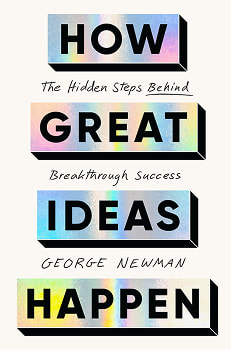
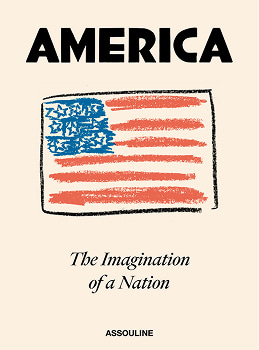
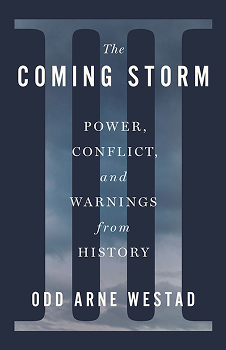
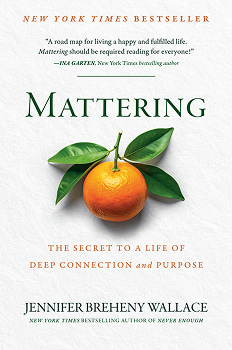
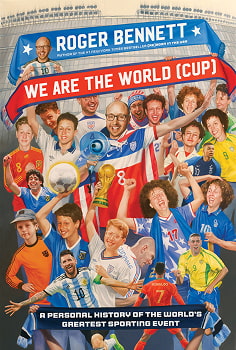
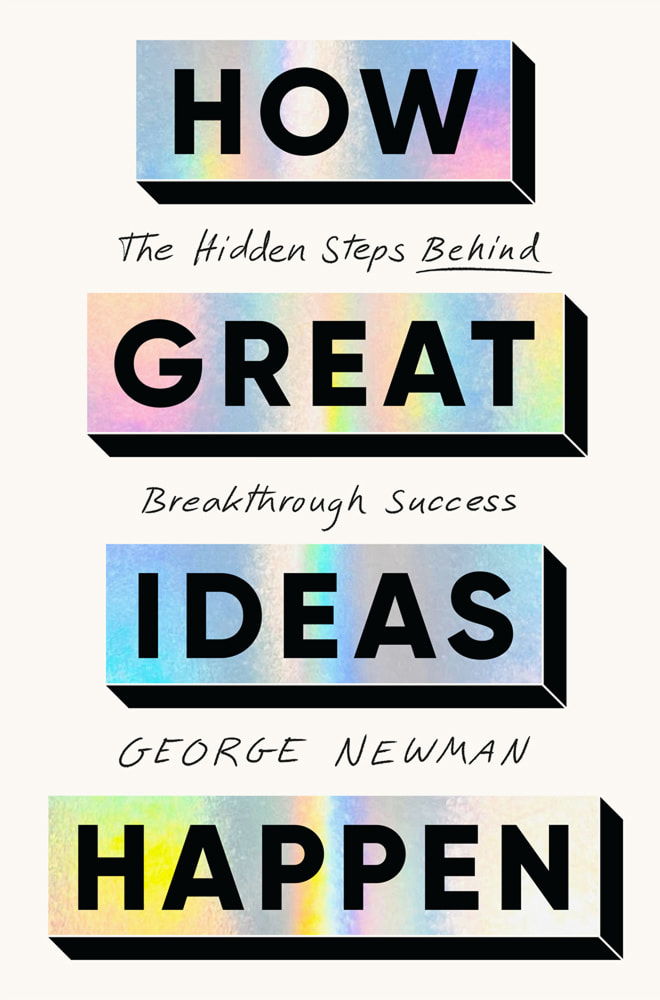
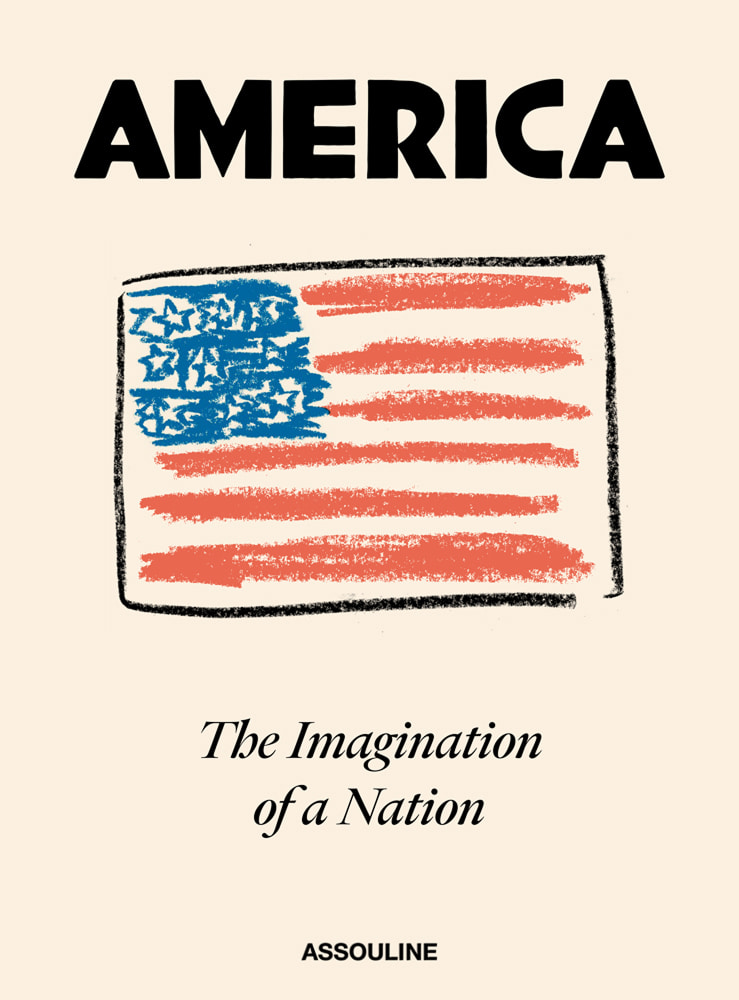
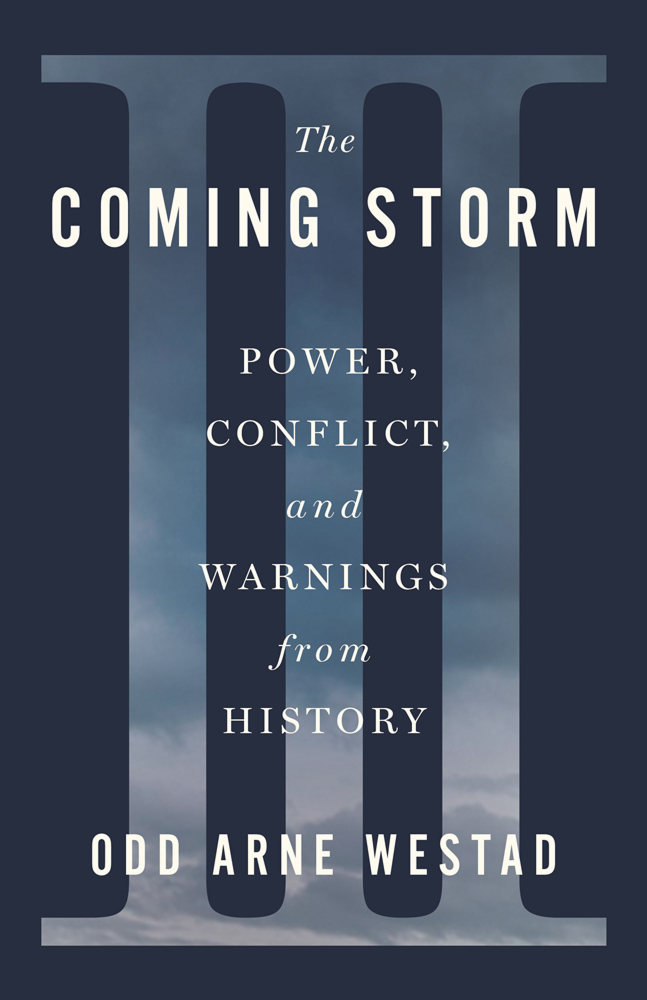
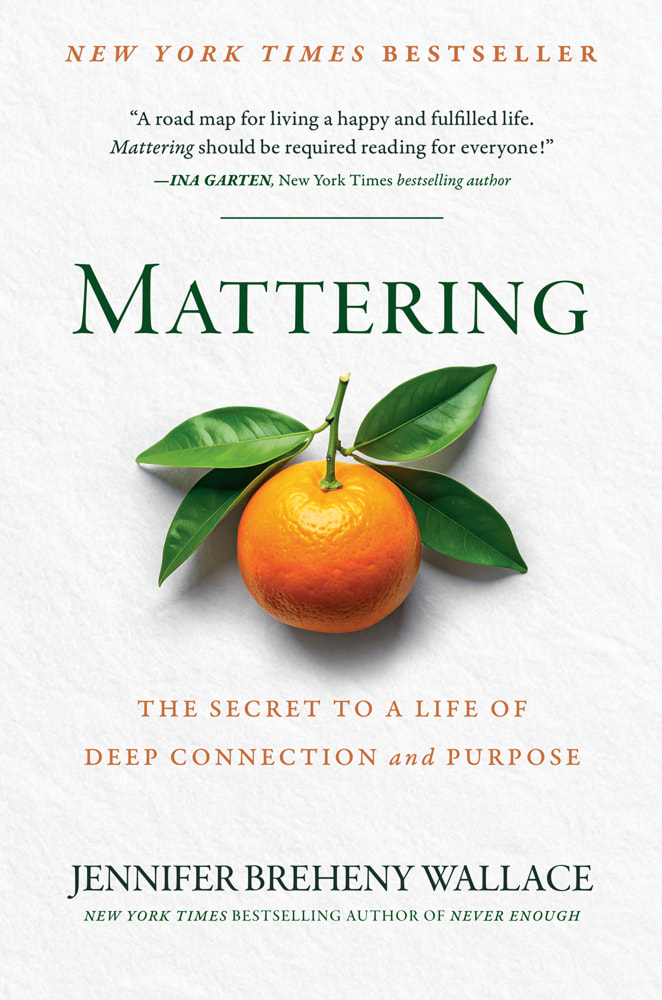
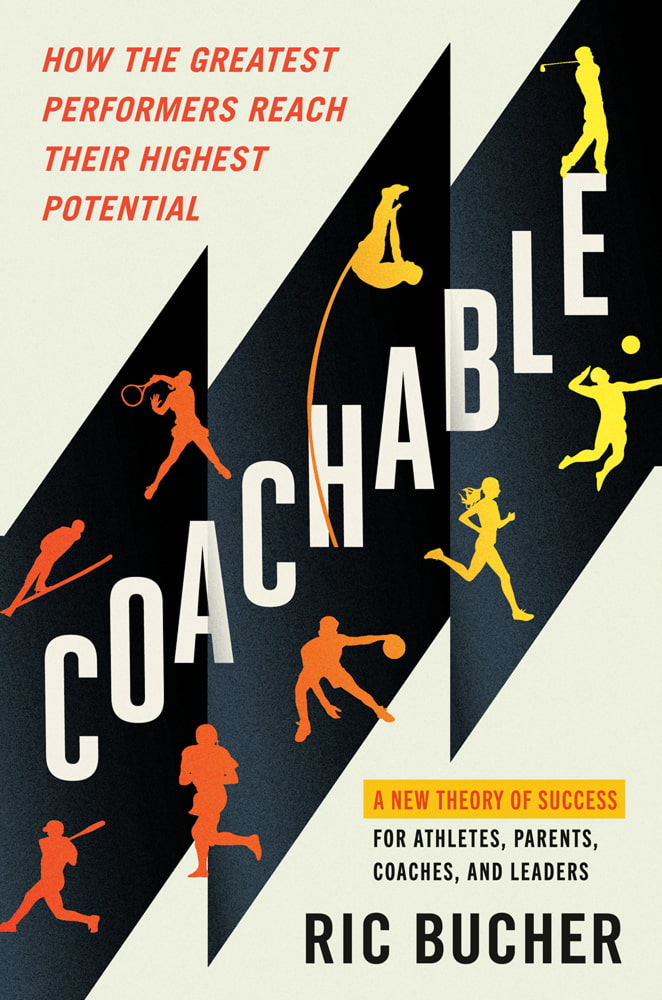
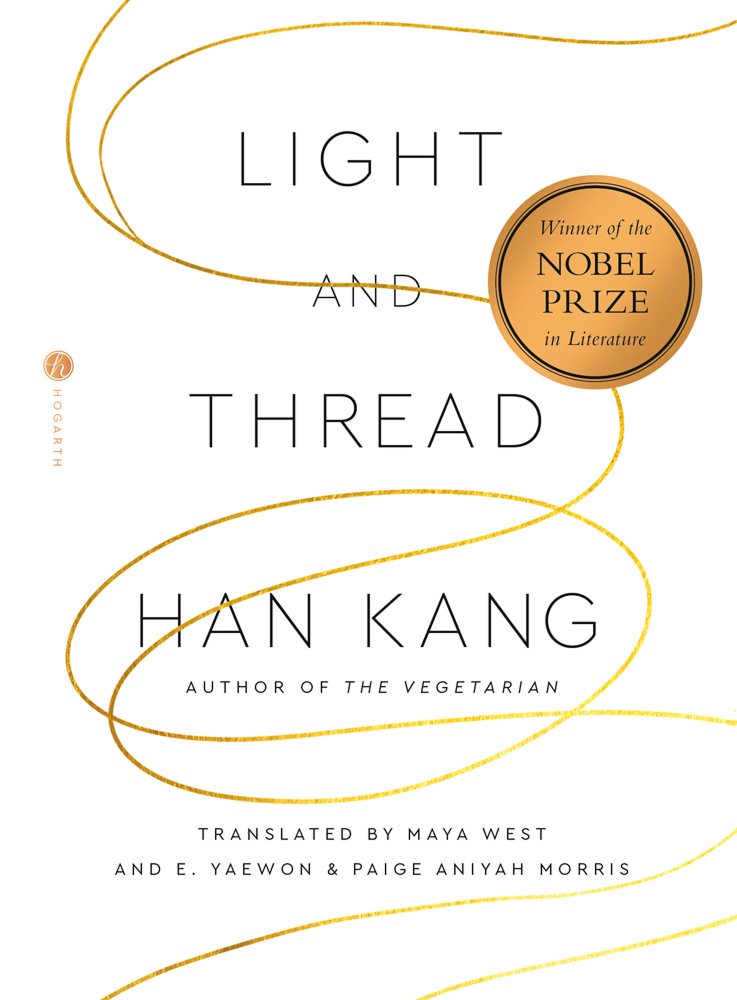
A grid of book covers set against a warm blurred bokeh background, titled How Great Ideas Happen, The Infinity Machine, AI for Good, America, Crisis Engineering, The Coming Storm, Mattering, Coachable, The Stimulated Mind, Light and Thread, Irreplaceable, Keith Haring in 3D, Squeeze Me, We Are the World Cup. A cook in a blue glove chops a pale green vegetable on a wooden board beside a metal pot. A cook slices yellow squash on a wooden board beside a metal bowl of whole squash. A blue gas flame burns beneath a stove grate.
(SPEECH)
MARICÉ BROWN: So take us to the beginning, your relationship with food, your path into food, and how it evolved from being a passion to becoming a business. What was that like?
RUTHIE ROGERS:
(DESCRIPTION)
A black and white photo of Rose Gray and Ruthie Rogers in dark tops seated at a table. A color photo of Ruthie Rogers and Rose Gray in white beside a brick wood-fired oven with flames inside. A color photo of Ruthie Rogers and Rose Gray in white chef's coats and aprons standing before a domed pizza oven in a restaurant kitchen.
(SPEECH)
Well, Rose and I, my partner, Rose Gray, wanted to do a restaurant together when we really started from this site that we're in. It really started when Rich and I moved to Paris to do the Pompidou Centre for which he and Renzo Piano were the architects. And we lived in Paris. And I really learned in Paris about markets, about seasonality, about the idea that a vegetable or fruit will come and it will be there. And then you'll go one day, and it's gone. But it's replaced by something else.
And so that excitement of the market was exciting. And for Richard, when he came back from Paris, he wanted to create a community, a place where there wasn't just an office in the middle of London on the 34th floor and you had to go downstairs and get a sandwich. He found these warehouses and thought, let's make the architectural practice here, but let's have other people as well. We had furniture designers. We had people in travel. We were a community. And of course, if you're a community, you have to have a place to eat.
And Richard loved food. And I said to him one day-- I said the only thing worse than not having a place to eat would be to have a mediocre one. And so immediately, I called Rose. And we came to look at this site. And I said, why don't we-- should we do this? And so out of that gem of an idea became the first River Café. We're
(DESCRIPTION)
A photo of an outdoor terrace with a white-clothed table and blue folding chairs beside a wooden planter and lawn, in front of a brick building with awnings. A photo of a brick building's terrace lined with potted plants and awning-shaded windows, beside a lawn. A photo of a restaurant dining room with white-clothed tables and cane chairs beneath an exposed steel ceiling, with tall windows opening onto a terrace. A photo of a restaurant dining room with white-clothed tables and cane chairs, tall glass walls opening onto a garden with a lawn and terrace. A photo of a restaurant dining room with white-clothed tables and gray chairs on blue flooring, tall windows along one side and an open kitchen with a wood-fired oven to the right.
(SPEECH)
going to be 40 years old in a year's time. So this was in 1987. I think one of the things about creating a business is having restrictions. Usually you get very upset-- we were not pleased with the restrictions we had.
We could only be open at lunchtime. We could only be open between Monday and Friday. We could only be open to the people who worked in the community. It was a neighborhood. And so the residents were very nervous about having a restaurant here. But those restrictions, we say, really helped us because neither of us had ever really opened a restaurant before. And so it meant that we grew with the restaurant. So we started small. We only opened at lunch. But then we knew that we could grow. And we did. And today, 40 years later, look where we are.
MARICÉ BROWN: Fantastic place.
[MUSIC PLAYING]
(DESCRIPTION)
Cooks in white work in a kitchen, one holding a wooden crate labeled Dantona, beside a range of steel pots. A cook's hand cuts a piece of dough on a blue cutting board with a knife. A cook slices raw meat with a knife on a red cutting board. A cook's hand arranges rows of filled pasta on a floured surface.
(SPEECH)
Running a restaurant is really hard. How do you go from that six-table location to what you have today, which is impressive? And the military discipline that you need in the kitchen, but also the amount of energy that you bring day in and day out for 40 years, that's quite something. So how do you do it?
RUTHIE ROGERS: You have to be rigorous, but you have to be kind. You have to treat people like individuals who-- you have to understand who they are and what they do. So like a theater, a restaurant. Your deadlines are short. In 2 and 1/2 hours, the curtain goes up. And people come in. So the restaurant has to be clean. The menu has to be prepped. They have to present themselves as chefs. There's a kind of theatrical character--
MARICÉ BROWN: Especially with an open kitchen at least, right?
RUTHIE ROGERS: And with an open kitchen, there's no hiding.
MARICÉ BROWN: And so tell me something because you've had people who have been with you for many, many years, which is strange in the restaurant business, right? How do you groom talent? How do you think about giving a platform for people to develop their careers with you?
RUTHIE ROGERS: The values of The River Café, the values that Rose and I started, which I was just saying to be-- to have individuals, to give people light, to give them space, to pay them well, to make sure that they don't do those horrible hours of 5:00 in the morning till midnight, who-- make sure that everybody has two days off a week. They're not allowed to work seven shifts. We make sure that they have food that we cook for them.
I think if you create an environment where people are looked after-- they have to perform. I'm not saying everybody's just-- people have to perform. And they have to meet the challenges of the work. But if you give people an environment, if you give them a working place, they will rise to that. They
(DESCRIPTION)
A cook's hand slices onions on a blue cutting board. A cook slices green squash on a wooden board while another peels yellow peppers nearby. A cook in a white apron chops red meat with two knives on a green cutting board in a kitchen.
(SPEECH)
will then-- if they're a waiter, they'll treat the customers well. You have to make sure that they are in a place where they can thrive. We always say we work with people through hope rather than fear.
MARICÉ BROWN: With [INAUDIBLE], discipline, and kindness.
RUTHIE ROGERS: Yeah. Yeah, kindness. Yeah.
MARICÉ BROWN: That's great. And so when thinking about your legacy, you have this beautiful restaurant, which is, by the way, one of the most influential restaurants in the world. How do you achieve that status? And how do you think about the power that you bring in terms of who you are and what you've done to the community and to the people who surround you?
RUTHIE ROGERS: Yeah. I think-- well, there are a few things. One is, I would say, I'm here every day. And I always think if I want to come to work, they'll want to come to work. If I want to be here, they'll want to be here. And so it's an example. If I see somebody at a table that doesn't look happy, I go to the table. If I see food that isn't quite right, we send it back and teach them how to cook better. So I think that involvement-- I'm not here every day.
MARICÉ BROWN: So your presence?
RUTHIE ROGERS: But I think my presence. And also, it's the team. I have a team of people who-- I don't run this. I don't run the kitchen by myself. The biggest challenge I ever had in my career was when my partner, Rose Gray, died in 2010. We'd started the restaurant in 1987. We did everything together. And so I think if you can manage that, and we did, you can do anything. And I think it's really looking at the people who you work with. Look at the team. And let them also-- with trust and with gratitude, they work well.
MARICÉ BROWN: You've built an empire, right? You have not only the restaurant, but you have a lot of different books that you've authored.
RUTHIE ROGERS: 14.
MARICÉ BROWN: 14 books. And then you have Ruthie's Table 4 podcast.
RUTHIE ROGERS: Yes.
MARICÉ BROWN: How do you see yourself in the future? You're full of projects, full of energy.
RUTHIE ROGERS: And we're going into season six of Ruthie's Table 4.
MARICÉ BROWN: Is there any insight that you can give us?
RUTHIE ROGERS: Yeah. It's going to be a really, really good season. I'm not allowed to say yet who the guests are. But there's a politician. We always like to have somebody who's making a movie because that's such an interesting conversation. And so we try and spread-- and not always big celebrities. We have chefs doing them.
MARICÉ BROWN: Let me know when you want to have a banker.
RUTHIE ROGERS: Have a banker. Yeah, let's do it. Let's do it. So
(DESCRIPTION)
A cook cuts rows of filled pasta with a fluted wheel on a floured surface. A cook's hands tear pieces of food over a metal pan.
(SPEECH)
for me, we-- only last summer, we thought of opening another restaurant. I've never wanted to open another restaurant in Las Vegas, or LA, or New York. I mean, you never know. But for me, it's a lot about control and how you really control the food, the way the service is. And so we've kept to having-- this whole area here is our campus.
This is the restaurant. We have The River Café cafe, which you can eat for 30 pounds and have the Chocolate Nemesis. You can have the desserts. You can come for breakfast. And that's been really, really exciting to have. We have a private dining room for 50 people called Sylvia's. And that's named after my mother. We have another private dining room here. And then we do off sites.
Last year, we did a dinner for 700 people at the Tate, a sit down dinner at the Tate Museum celebrating their 25th birthday. So it's constantly taking on new projects, but also being control of them. And for our 40th birthday, we're all planning a new book. We're planning a magazine. We're planning a party.
MARICÉ BROWN: Is anyone doing another collaboration with another artist.
RUTHIE ROGERS: Yeah, I'd like to. Yeah, I would. I'd love to do another one with it.
MARICÉ BROWN: I mean, the book looks beautiful.
RUTHIE ROGERS: It's a beautiful book.
MARICÉ BROWN: It works really well.
RUTHIE ROGERS: Yeah, it's a beautiful book.
MARICÉ BROWN: Thank you so much, Ruthie. It's been great talking to you today.
RUTHIE ROGERS: That's great.
MARICÉ BROWN: And we're here at The River Café. And hopefully, we can see you soon.
RUTHIE ROGERS: And then we'll have something to eat.
MARICÉ BROWN: Yes. Yes. Thank you.
RUTHIE ROGERS: Thank you.
[MUSIC PLAYING]
Should we go and see what Sian's doing with the tagliatelle and lemon?
MARICÉ BROWN: Cannot wait to see. Let's go.
RUTHIE ROGERS: OK.
MARICÉ BROWN: Hi, Sian.
RUTHIE ROGERS: Sian is the executive chef of The River Café. She's
(DESCRIPTION)
Maricé Brown in green, Ruthie Rogers in white, and Sian stand at a steel kitchen counter with cutting boards, pasta, and greens, in front of a red pizza oven and shelves of bottles.
(SPEECH)
making--
SIAN WYN OWEN:
(DESCRIPTION)
A book page open to a recipe titled Tagliatelle with lemon, cream, and parsley, with an ingredient list and method text.
(SPEECH)
Tagliatelle. It's hand-cut, so it's a bit thicker with a lemon and cream sauce and some rocket today. I'll just put the pasta in. Three minutes, I'd say. And
(DESCRIPTION)
Cooks work at a stovetop with metal pots and bowls. A recipe card titled Tagliatelle with lemon, cream and parsley reads 1 1/4 cups heavy cream, 1 stick/8 table spoon unsalted butter, softened, Zest and juice of 3 organic lemons, 12 ounces egg tagliatelle, 3 tablespons roughly chopped flat-leaf parsley, 3 ounces Parmesan, freshly grated.
(SPEECH)
then we've got our sauce that's made with the cream and some butter a bit of butter, salt, pepper, and lemon juice. And I'm just going to put a little bit of lemon zest.
(DESCRIPTION)
She grates a lemon on a box grater.
(SPEECH)
RUTHIE ROGERS: You're really enjoying what you do so much.
SIAN WYN OWEN: [INAUDIBLE]. Extra lemon zest. Just give it a bit more of a lift.
MARICÉ BROWN: So that's butter, lemon--
SIAN WYN OWEN: Cream, seasoning, and lemon zest. And then I'll just chop a tiny bit of some rocket to go in there. The recipe in the cookbook has parsley, but it's also really nice with rocket. You can use either. Either or both.
(DESCRIPTION)
She chops the greens.
(SPEECH)
Oh, this is almost cooked. And I'm just going to strain this with a tongs.
MARICÉ BROWN: Do you use some of the water from the pasta?
SIAN WYN OWEN: I mean, I'm letting some of that pasta water go in it. Then I'll just [INAUDIBLE].
MARICÉ BROWN: Well, you have the cream, so I guess, that also--
SIAN WYN OWEN: Exactly. But you don't want it to be too thick because that is [INAUDIBLE]. I'll put a bit of Parmesan in there. And I just put a bit of olive oil just for a bit of extra glossiness. Give it a good shake. You see this?
MARICÉ BROWN: Amazing. And the smell because of the zest.
SIAN WYN OWEN: Yeah, because [INAUDIBLE] for lemon, yeah. Make sure everything's well mixed.
MARICÉ BROWN: Looks amazing.
SIAN WYN OWEN: And it's so easy and so quick. And Parmesan now. I like that.
MARICÉ BROWN: Amazing. Beautiful.
(DESCRIPTION)
A plated serving of creamy tagliatelle with parsley on a white plate.
(SPEECH)
SIAN WYN OWEN: There you are.
MARICÉ BROWN: May I?
SIAN WYN OWEN: Yeah, of course.
(DESCRIPTION)
Maricé takes a bite.
(SPEECH)
MARICÉ BROWN: Mm. Fantastic. Thank you so much. This was amazing.
[MUSIC PLAYING]
(DESCRIPTION)
A grid of book covers set against a warm blurred bokeh background, titled How Great Ideas Happen, The Infinity Machine, AI for Good, America, Crisis Engineering, The Coming Storm, Mattering, Coachable, The Stimulated Mind, Light and Thread, Irreplaceable, Keith Haring in 3D, Squeeze Me, We Are the World Cup. Title Summer Reading List 2026. j.p. morgan.com slash readinglist, hashtag SRL2026, with Facebook, Instagram, and LinkedIn icons. Logo: J.P. Morgan.